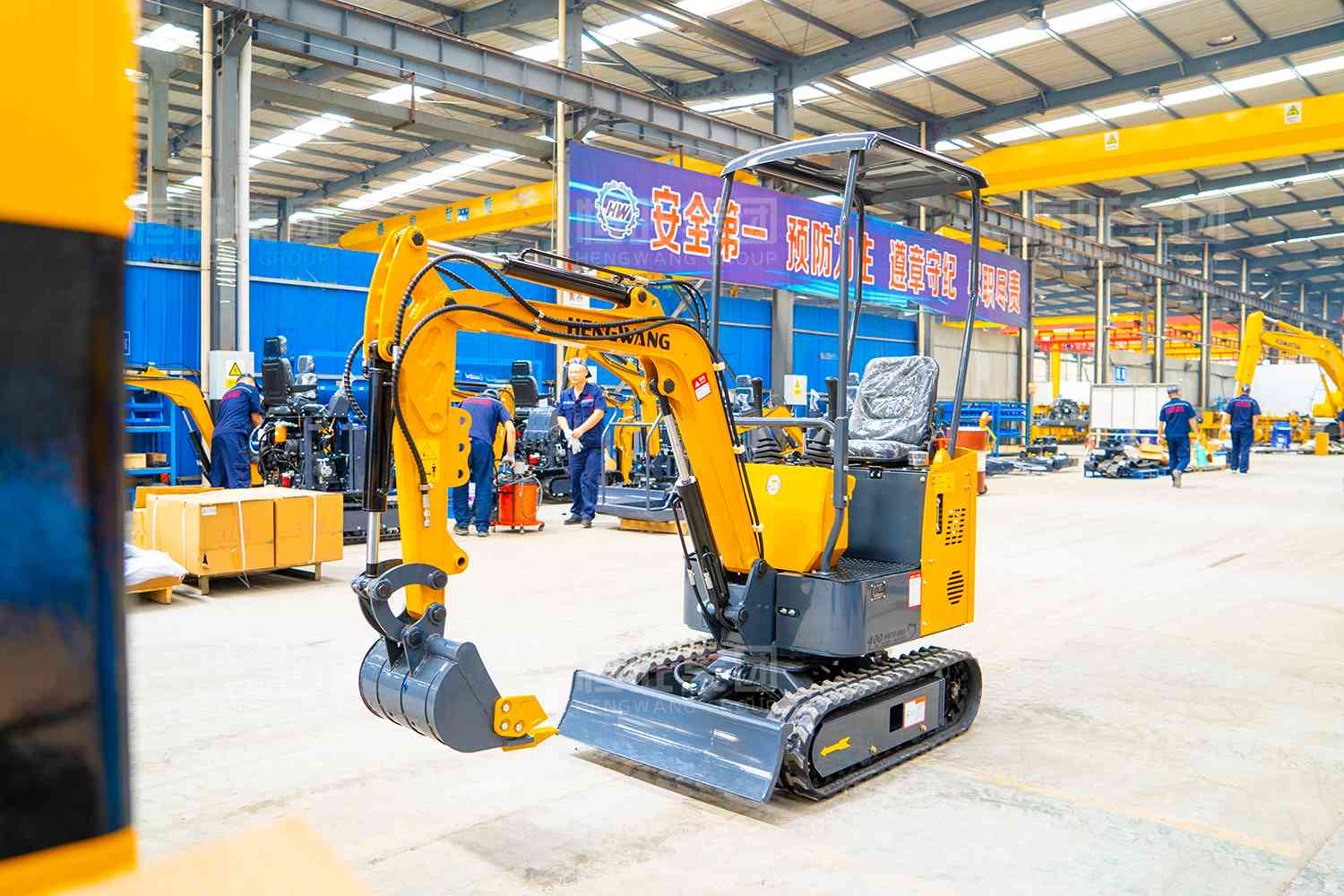
1. Blind Spots on the Right Side: The Invisible Killer
The excavator's left-side cab offers clear vision, but the boom creates a large blind spot on the right, especially the rear-right area. More than 60% of crushing accidents occur here due to poor visibility. Always operate close to the left edge, maintain a safe right-side clearance, and replace damaged right mirrors immediately.
2. Soft Ground Operation: The Trap of Collapsing Support
When working on swamps or riverbanks, failing to test ground bearing capacity with the bucket first can lead to sinking. Follow three rules: test the ground first, avoid prolonged stay at one spot, and move straight as much as possible. If stuck, never try to climb out—instead, dig under the tracks or lay steel plates.
3. Trench Riding: The Risk of Slope Collapse
When instructed to re-dig while straddling a trench, move back at most half a track's length. Exceeding this risks collapse. Proper practice: request multiple height measurements from the constructor, or backfill the trench before re-digging.
4. High Boom Travel: Center of Gravity Crisis
Novices often raise the boom fully for better vision, which raises the excavator's center of gravity and increases rollover risk on uneven ground. Keep the working device within 50cm of the ground while moving to maintain stability.
5. Downhill Door Leaning: The Pinch Hazard
When descending slopes or ramps, the cab's tilt can cause unlocked doors to slam shut suddenly. Leaning on the door frame with your hand can result in severe injuries. Always lock the door—open or closed—and keep both hands on the controls.
Safety Imperatives
All tip-overs stem from overlooked risks. Adhere to: inspecting terrain on foot, questioning unsafe instructions, and prioritizing stability. Regularly check door locks, mirrors, and track tension to embed safety into every operation.